The Best Place in Africa to see Black Rhinos
Mkomazi National Park is a hidden gem among Tanzania’s northern wildlife reserves. Previously a game reserve, Mkomazi was given national park status in 2008, making it one of the youngest national parks in Tanzania. The diverse ecosystems of Mkomazi with ancient baobab trees and semi-arid savannahs framed by the Pare and Usambara mountains make it a fantastic destination. So far, few travelers know about it and we believe its popularity will increase significantly in the coming years.
In Mkomazi, you can see the Big Five, giraffes, cheetahs, hyenas, gerenuk antelopes, and zebras, among other animals. Although there are currently fewer animals here than in Tarangire National Park, safari vehicles are also rare. A trip to Mkomazi will appeal to those who want to enjoy Africa’s nature away from the crowds.
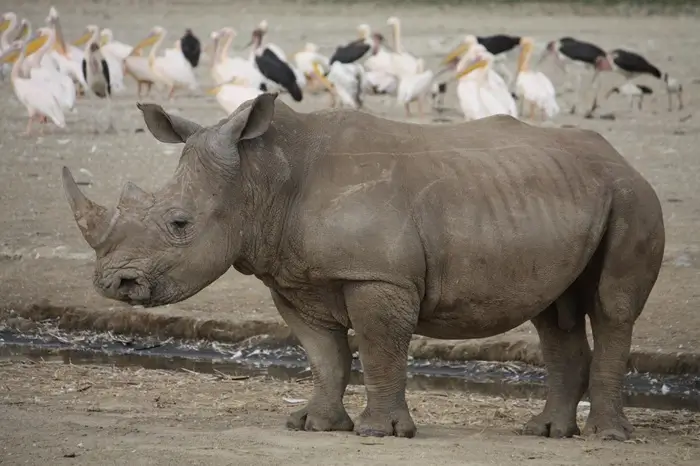
The main attraction of the national park is the Mkomazi Black Rhino Sanctuary, where the chance of seeing these rare inhabitants is higher than in any other park in Tanzania. If you want to see these animals, be sure to include a visit to Mkomazi in your safari program.
Mkomazi National Park is located in the northeastern part of Tanzania. The drive from the cities of Moshi or Arusha, where travelers usually arrive before a safari, takes 4–6 hours.
The renowned Serengeti, Ngorongoro, and Tarangire National Parks are situated in a different direction. For a comprehensive journey through all the key northern Tanzanian safari parks, it would be strategic to start your adventure at Mkomazi, and then continue your safari tour through the other iconic wildlife reserves.
Since 1997, Mkomazi has been home to one of Africa’s most successful black rhino population restoration projects. For a long time, it was closed to travelers, and only in 2019 was entry allowed for visitors. You can visit the sanctuary on a safari with Tanzania Bucket List.
Mkomazi National Park is one of the most interesting destinations in northern Tanzania for bird watchers. Over 400 species of birds reside here. From November to April, migratory birds from Europe increase the diversity of avian species that can be spotted in the national park.
A unique feature of birding in Mkomazi is that the park includes forests, plains, rocky hills, and low mountains. Thanks to these landscapes, you can see numerous birds from different ecosystems.
In Mkomazi, you can observe Von der Decken’s Hornbill, White-bellied Go-away-bird, Purple Grenadier, Secretary bird, Red-cheeked Cordonbleu, and hundreds of other interesting species. Since this area remains relatively poorly studied, birders have the opportunity to contribute with their observations.
Mkomazi receives less rainfall than other northern Tanzanian national parks, which makes it unique. According to WorldClim, April, the rainiest month, averages 96 mm of precipitation. During the same month, the Serengeti receives 140 mm, Tarangire – 139 mm, and Ngorongoro – 143 mm.
Tanzania Bucket List visit Mkomazi in different seasons, and we can confidently say that the park appears drier than others. This may be of interest to photographers: in the dry months, you can take authentic savannah photos without many other safari vehicles in the background.
The Serengeti hosts over seventy species of large mammals, making it one of the continent’s finest destinations to encounter Africa’s most iconic wildlife. Many species thrive here in greater numbers compared to other renowned national parks. It’s also among the few remaining places where you may glimpse Africa’s rarest creature—the Eastern black rhinoceros.
Keep in mind, the Serengeti is an expansive wilderness. Wildlife is always on the move, and it’s possible to drive for half an hour without a major sighting. Your skilled safari guide will stay in touch with other guides via radio to track recent animal movements and enhance your chances of remarkable encounters.
Mkomazi covers an area of 3,234 square kilometers (1,248 sq mi). This is about the size of the island of Majorca in Spain or one and a half times smaller than the island of Bali. One day is enough to get acquainted with the park. For a detailed exploration of all locations, it's better to allocate two to three days.
It makes sense to stay for three or more days only if you are seriously into rhino tracking or birdwatching. Other animals can be seen in larger quantities in the more popular parks of northern Tanzania, such as Tarangire, Ngorongoro, and Serengeti.
According to the former head of the Tanzania National Parks Authority, Allan Kijazi, about 8,000 people visit Mkomazi each year. This is a small number compared to Serengeti, which attracts nearly 1.2 million visitors annually.
The low visitor numbers are not due to Mkomazi being uninteresting. The main reason is that many travelers and tour agencies are unaware of this park and do not include it in their itineraries. We are confident that in the next 5-7 years, the situation will change, and Mkomazi will become one of the top five most popular parks in northern Tanzania.
Until that happens, Mkomazi’s lesser popularity allows for an intimate experience with African wildlife, even during the peak tourist season.
You can visit the Serengeti all year round. When planning your trip, it's important to consider the following seasonal differences:
Rainy seasons
Tanzania has two rainy seasons. The "short rains" occur from early November to early January, and the "long rains" - from late March to the end of May. Typically, rains start in the latter half of the day when travelers are already returning to their hotel. Some days may be completely dry, while others can have rain throughout the day. During this time, the savanna is covered with thick green grass, new waterholes appear, and animals can be found in various parts of the park. The dense vegetation can make it difficult to spot servals, caracals, dik-diks, and other small inhabitants.
Safari lodges offer seasonal discounts, making trips more affordable with fewer visitors in the park. Wet season safaris suit travellers preferring a secluded experience.
Christmas holiday season
The holiday season starts on December 20th in Tanzania. Despite the high likelihood of rain, hotel prices peak during this time, and reservations must be made six months in advance.
Dry seasons
From mid-January to the end of February and from mid-June to the start of October, Tanzania experiences dry seasons. During these periods, animals tend to stay closer to water sources. The culmination of the Great Migration occurs in July-August, with hundreds of thousands of wildebeests and zebras crossing the Grumeti and Mara rivers.
The dry seasons are traditionally popular among visitors to the Serengeti, and you should be prepared that dozens of other vehicles will be watching the animals alongside you.
Interseason
In March and June, Tanzania experiences a change of seasons. Relatively dry and clear weather prevails, and there are fewer visitors in the park compared to the dry seasons. This period combines the best of both seasons and is worth considering if your travel dates are flexible.
We are always here to help.