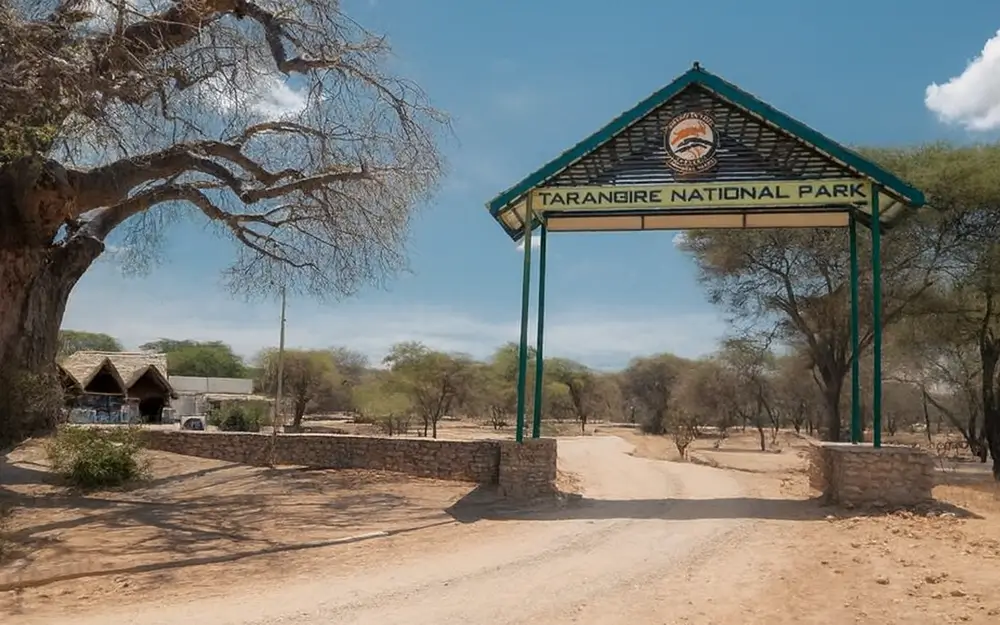
Home > Tanzania Safari > National Parks > Tarangire National Park

Tarangire National Park

Lions, elephants, majestic baobabs, and acacia woodlands

Tarangire National Park – the realm of elephants and baobabs

Tarangire National Park is named after the Tarangire River, the area’s main source of fresh water during the dry season and a vital gathering point for wildlife. Here, you’ll spot large herds of elephants resting along the riverbanks, as well as lions, cheetahs, buffalo, and other iconic animals of the African savannah.

The park’s scenery is just as captivating. You’ll pass through acacia woodlands, marvel at towering century-old baobabs, and enjoy exceptional birdwatching — Tarangire is home to over 550 recorded bird species.

Covering 2,850 km² (1,100 sq mi), Tarangire is larger than Monaco and Vatican City combined. A drive through the park typically takes 4 to 5 hours, revealing a varied landscape of granite ridges, river valleys, seasonal swamps, and salt flats that attract flamingos during dry spells.

If you’re looking to experience the raw beauty of untamed African wilderness, Tarangire should be high on your list.

Location of Tarangire National Park

Tarangire

Tarangire lies 120 km (75 mi) from Arusha in northern Tanzania. It’s about a 2½-hour drive from there.

What is Tarangire National Park famous for?

Elephants bathing in the Tarangire River

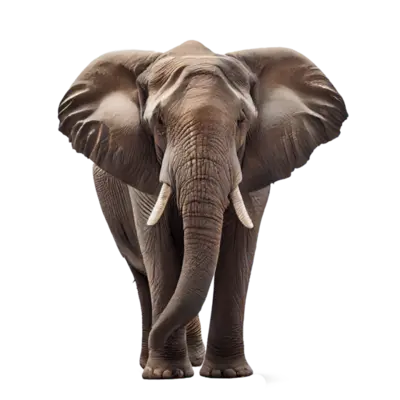
During the dry season (June to October), animals from all over the region flock to the Tarangire River — the area’s main water source. Zebras and wildebeests are the first to arrive, followed by predators like leopards and lions, tracking their prey to the water’s edge. But everyone waits for the giants: massive elephant herds, up to 300 strong, come and begin digging into the riverbed, drawing groundwater to the surface. These elephant-dug wells become the only source of water for miles around.

What to see in Tarangire National Park?

Giant baobabs rising over endless plains, acacia forests, and massive elephants digging through the riverbed — Tarangire is pure, wild nature, unchanged for thousands of years. It’s like a time machine that immerses you in the raw beauty of real Africa. This is where unforgettable memories are made.

Ancient Baobabs

Ancient Baobabs

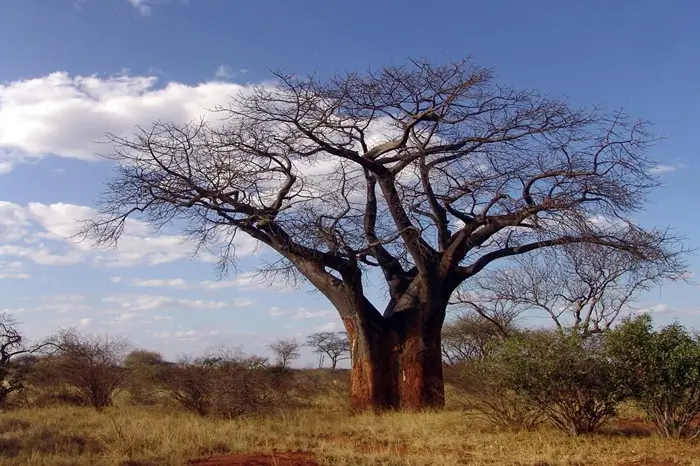
Here, you’ll find ancient giants — baobab trees that have lived for hundreds of years. Just imagine: the trunk of one can reach up to 30 meters (100 feet) in circumference.

Ancient Baobabs
Elephant Populations

Elephant Populations

Elephant Populations

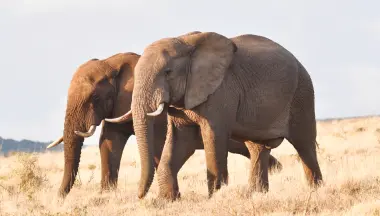
Tarangire is home to one of the largest elephant populations in Tanzania. During the dry season, enormous herds of up to 300 individuals roam the park. It’s one of the best places in Africa to see elephants in their natural habitat.

Over 550 Bird Species

Kori Bustard

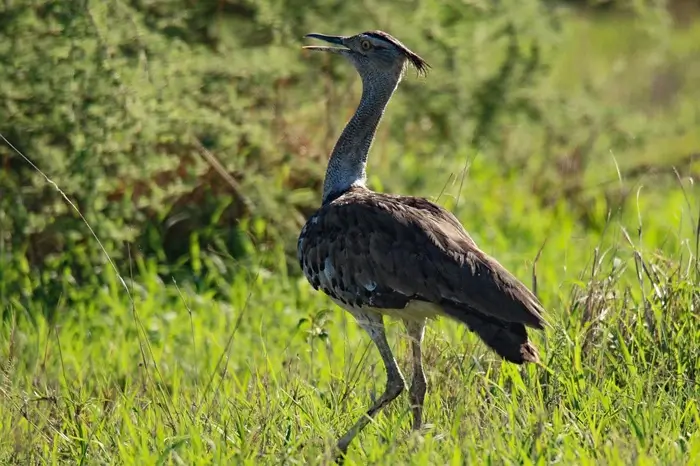
The park’s wetlands attract a huge variety of birds, making it a paradise for birdwatchers. One standout species is the Kori Bustard — the heaviest flying bird in the world, weighing up to 20 kg (44 lbs).

Kori Bustard
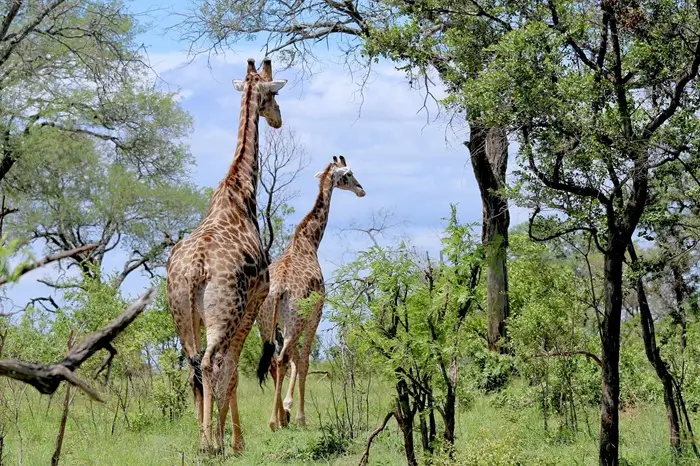
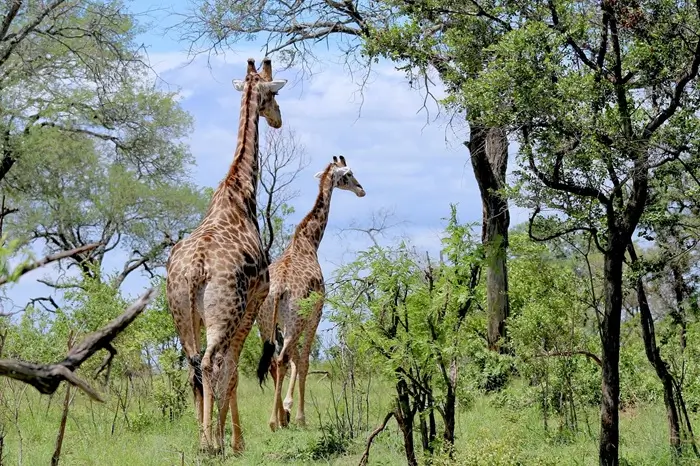
Giraffes

Giraffes

Tarangire is an excellent spot to observe giraffes. A rare white giraffe named Omo has even been seen here. While not an albino, Omo has a condition called leucism, which affects skin pigmentation. Researchers say she’s healthy, and though sightings are rare, lucky visitors sometimes spot her.

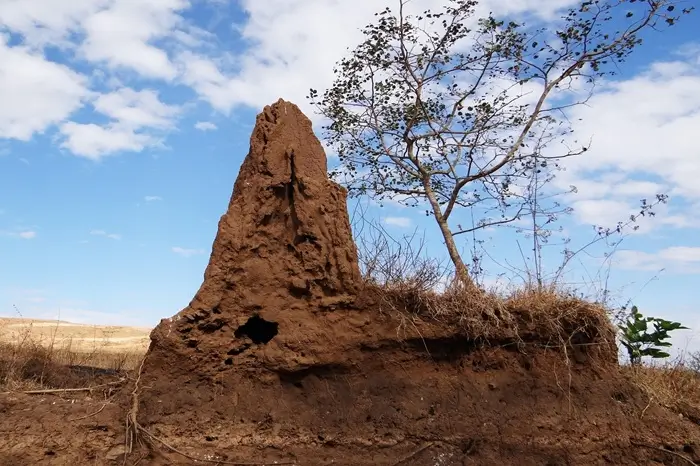
Red Termite Mounds

Red Termite Mounds

All across Tarangire, massive red termite mounds rise like towers — some are more than twice the height of a person. These incredible structures are built by some of the tiniest residents of the savannah.

Red Termite Mounds
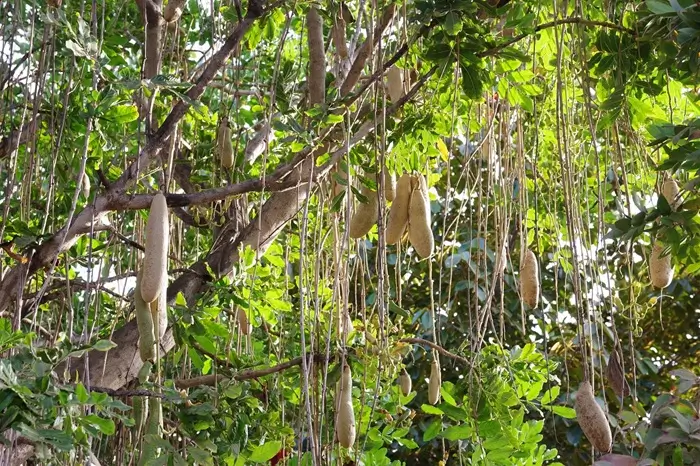
Sausage trees

Sausage Trees

Sausage trees

Another quirky highlight of the park is the sausage tree (Kigelia), a favorite spot for lounging lions. The tree gets its name from its unusual fruits that resemble sausages hanging from the branches.

What other animals can you see in Tarangire?

Elephants are the stars of the park — from tiny calves to towering adults carefully guarding their young. But the park’s ecosystem is home to far more.
Tarangire has the second-highest concentration of wildlife in Tanzania, after Serengeti. While spotting all members of the Big Five isn’t guaranteed, dry season visitors often see lions, leopards, and even cheetahs on the hunt.

Lion
elephant
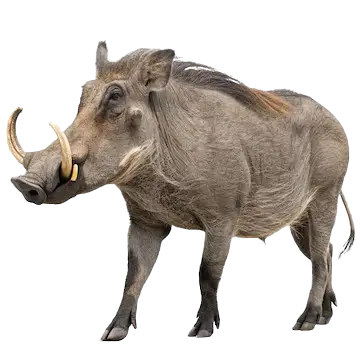
Warthog
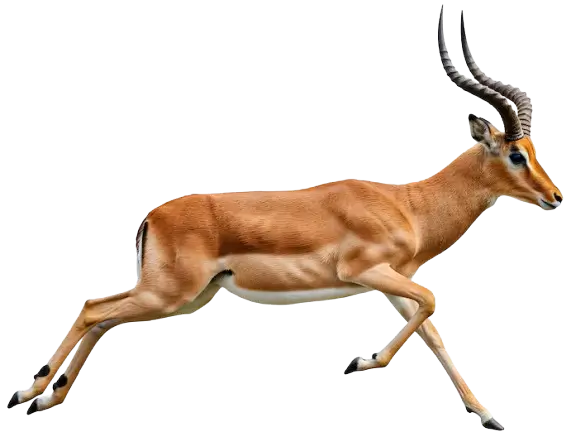
Impala
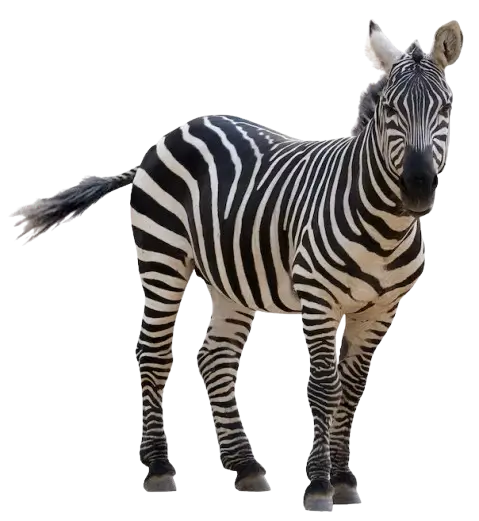
Zebra

What is the cost of a Serengeti Safari?

The price of a Serengeti trip varies depending on several factors, such as the season of travel, type of accommodation, duration of the stay, and more. Park entry fees are also charged, usually bundled into safari packages.

For a mid-range safari arranged through Tanzania Bucket List, travelers can expect to spend around USD $400–$600 per person, per day. On the other hand, luxury options have no fixed ceiling, with some exclusive lodges charging several thousand dollars per night.

History of Tarangire National Park

Tarangire was officially declared a national park in 1970, making it one of Tanzania’s oldest. Initially established to protect local wildlife, it’s now a major conservation area and a popular destination for travelers from around the world.

History of Tarangire National Park

In the early 1900s, the British colonial government began setting up reserves across Tanzania to protect endangered species. Tarangire was granted reserve status in 1951 and became a national park in 1970. Today, the park is located near communities of the Maasai — one of Africa’s most iconic ethnic groups.

Wildlife Conservation Efforts in Tarangire

The park supports rich biodiversity, and TANAPA (Tanzania National Parks Authority) runs various conservation programs here — from anti-poaching efforts to scientific research. Tarangire plays a critical role in protecting several endangered species.

Community Partnerships

TANAPA encourages local communities living in nearby reserves to participate in conservation efforts. For example, the authority helps employ local residents, which reduces their incentive to engage in poaching.

Anti-poaching Initiatives

Poaching remains a major threat. To combat it, the park is regularly patrolled by rangers and monitored by air.

Research Projects

The park is also a hub for scientific research. One example is ongoing predator-prey monitoring and flora/fauna surveys. 

FAQs
How do I get to Tarangire?

You can reach Tarangire from Arusha, a city in northern Tanzania. The drive takes around 2.5 hours. In fact, many of our safari itineraries list Tarangire as the first park to visit.

When is the best time to visit Tarangire?

Tarangire is open year-round, and each season has its own advantages. From June to September, many animals gather in the park, but this is also peak season with more tourists and higher prices. October still offers great wildlife viewing, but with fewer visitors.

Starting in November, the off-season begins with the arrival of short rains that gradually become more frequent and intense. During this time, the park becomes lush and green — beautiful, but it’s harder to spot animals in the thick vegetation. However, there are fewer tourists, and conditions for birdwatching are excellent.

How many days are needed to explore Tarangire?

You can see some highlights in one day, but to truly immerse yourself in the wild, plan for 2–3 days. This gives you time for game drives, birdwatching, and enjoying the captivating landscapes. For a deeper experience, stays of one to two weeks are also rewarding.

What accommodation options are available in Tarangire?

Tarangire offers a wide range of lodging, from safari lodges and traditional hotels to luxury tented camps, both inside the park and nearby, to suit all budgets and preferences.

Are there picnic or lunch spots in the park?

Yes — Tarangire has designated picnic areas equipped with tables, benches, and toilets. These spots are perfect for relaxing and refueling before continuing your safari adventure.

Can I visit Tarangire, Tanzania with children?

Yes, Tarangire National Park is well-suited for family travel — there are accommodation options that cater to families with children. 

Planning a Trip to Tanzania?

We are always here to help.

I Prefer