
UNESCO World Heritage Site
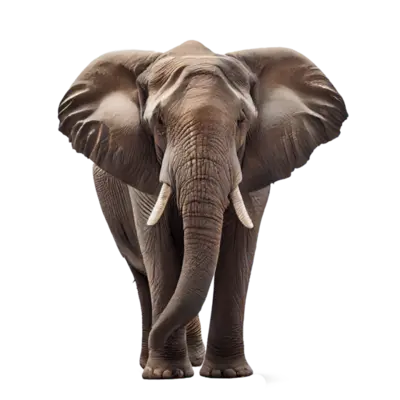
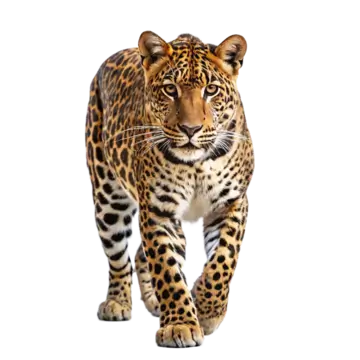
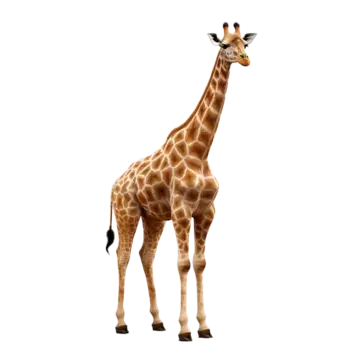
Celebrated as one of Africa’s top safari destinations, the Serengeti delivers an unparalleled wildlife experience. This expansive park shelters the legendary Big Five—elephants, lions, buffaloes, rhinoceroses, and leopards—along with countless other species such as giraffes, hippos, and crocodiles. It also hosts the dramatic Great Migration of wildebeests and zebras. With more than 70 species of large mammals and 500 bird varieties, the Serengeti stands out as a must-see destination for wildlife enthusiasts.
Together with the Ngorongoro Conservation Area and Mount Kilimanjaro, Serengeti National Park holds a place on the UNESCO World Heritage List.
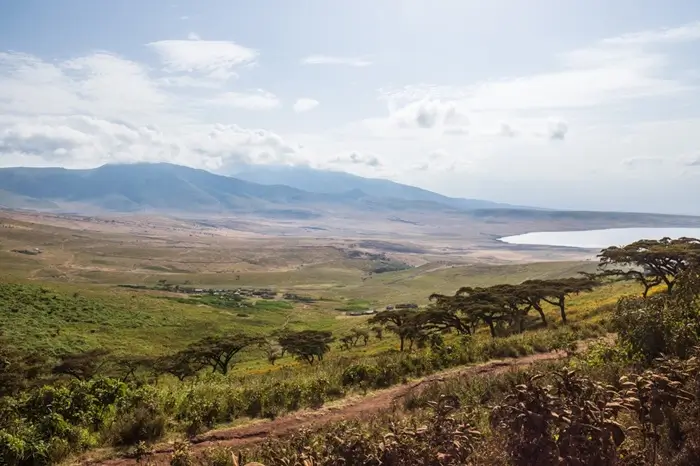
Is Serengeti in Kenya or Tanzania? – Travelers often wonder about this when planning a trip to East Africa. The answer is straightforward: Serengeti National Park is in northern Tanzania, covering over 1,500,000 hectares (3,700,000 acres) of untamed savanna. It’s easy to locate on a map – east of Africa’s largest lake, Lake Victoria, and close to the border with Kenya.
To the north, the Serengeti connects with the Kenyan Maasai Mara National Reserve, and to the east lies the famous Ngorongoro Crater and Conservation Area. The greater Serengeti ecosystem extends well beyond the park itself, encompassing the areas traversed during the Great Migration.
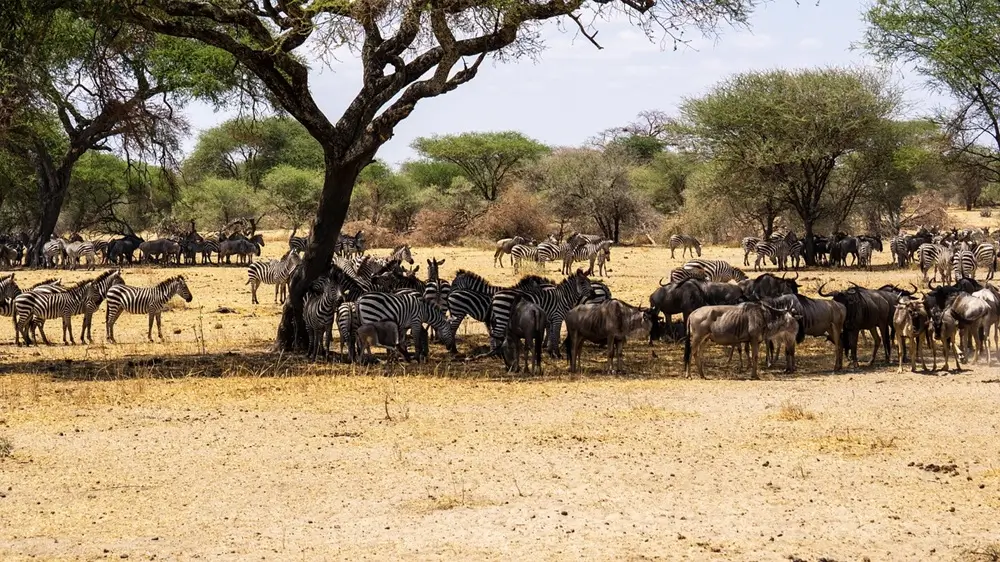
The Great Migration is a yearly event where 1.5 million wildebeest, zebras, gazelles, and other ungulates gather into one enormous herd and traverse the national park in pursuit of greener pastures. This is the largest gathering of large mammals on the planet. Starting from the south and moving clockwise to the north, it peaks with the dramatic crossings of the Grumeti and Mara rivers.
The Serengeti National Park in Tanzania ranks among the continent’s largest safari destinations. Exploring its main highlights typically takes around 3–4 days. Below are the must-visit spots to truly experience the Serengeti….
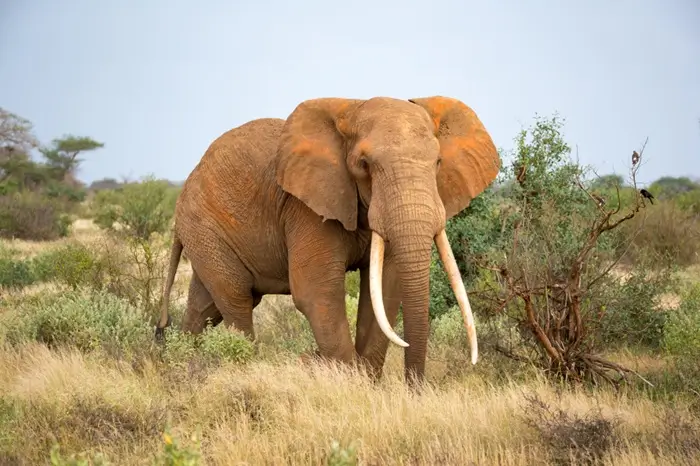
This area is the heart of the Serengeti and the most visited region. It’s where you’ll encounter nearly every species of wildlife, and it also hosts the majority of safari lodges. Most multi-day safaris in the Serengeti begin here, making it the starting point for many adventures.
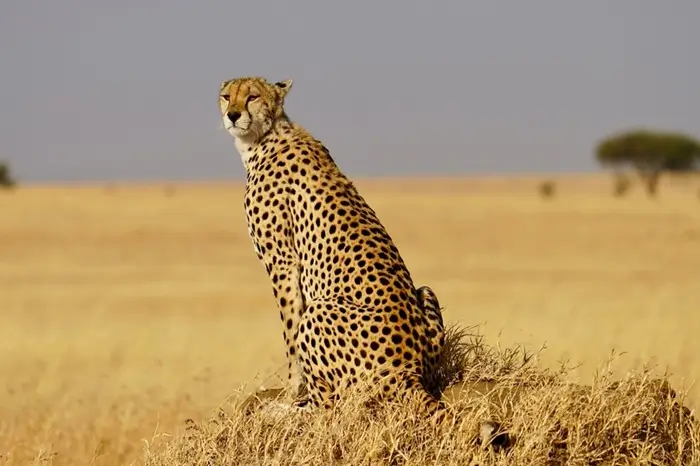
The western part of the park is an open savanna. Here you can also see all the iconic African animals: lions, zebras, elephants, buffaloes, antelopes, and many others. The Grumeti and Mbalageti rivers are home to hippos and crocodiles.
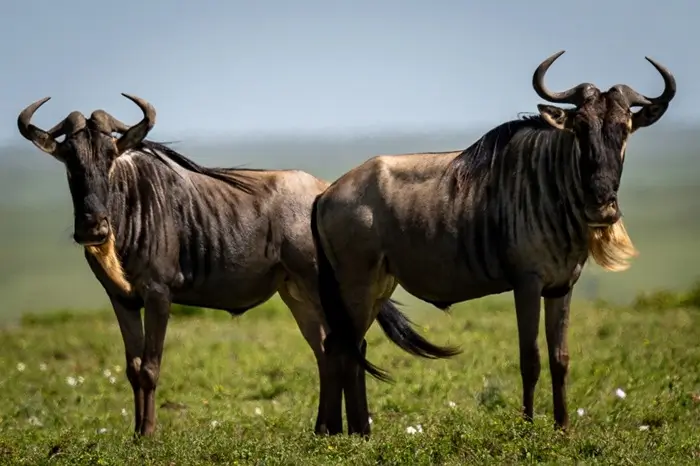
The final stage of the Great Wildebeest Migration happens in the northern part of the Serengeti when large herds of wildebeest, zebras, and gazelles cross the wide Mara River. This area is very picturesque and a must-visit during a safari.
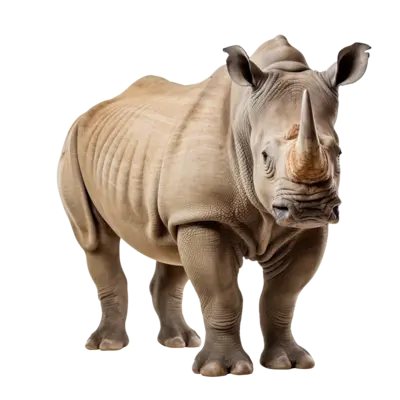
The Serengeti hosts over seventy species of large mammals, making it one of the continent’s finest destinations to encounter Africa’s most iconic wildlife. Many species thrive here in greater numbers compared to other renowned national parks. It’s also among the few remaining places where you may glimpse Africa’s rarest creature—the Eastern black rhinoceros.
Keep in mind, the Serengeti is an expansive wilderness. Wildlife is always on the move, and it’s possible to drive for half an hour without a major sighting. Your skilled safari guide will stay in touch with other guides via radio to track recent animal movements and enhance your chances of remarkable encounters.

The price of a Serengeti trip varies depending on several factors, such as the season of travel, type of accommodation, duration of the stay, and more. Park entry fees are also charged, usually bundled into safari packages.
For a mid-range safari arranged through Tanzania Bucket List, travelers can expect to spend around USD $400–$600 per person, per day. On the other hand, luxury options have no fixed ceiling, with some exclusive lodges charging several thousand dollars per night.
Before Europeans set foot in Africa, the vast Serengeti plains remained largely unknown to the outside world. The area, now recognized as a national park, was originally home to different African communities. The first documented account of the Serengeti came from Austrian explorer Oscar Bauman during his visit in 1892.
A mid-range safari in the Serengeti, arranged through Tanzania Bucket List as a trusted tour provider, usually ranges from USD $400 to $600 per person per day. For high-end experiences, there is virtually no ceiling, with certain premium lodges charging several thousand dollars per night.
The Serengeti’s journey as a protected landscape began in 1913, when German colonial officials declared it a game reserve, limiting hunting activities. Following World War I, Tanganyika was placed under British administration. By 1923, the British authorities expanded the reserve, and in 1951, the Serengeti was officially designated as a national park. This declaration prohibited all forms of human activity within its borders, including construction, hunting, and logging. The Maasai communities who once lived inside the park were displaced to areas outside the Serengeti. Today, only photographic tourism and carefully planned hotel development in designated zones are allowed.
In 1979, the Serengeti was recognized as a UNESCO World Heritage Site, ushering in a new era of conservation and global attention. Today, it ranks among Africa’s most renowned parks, attracting more than 400,000 visitors annually. This recognition has played a crucial role in safeguarding the Serengeti’s extraordinary ecosystem, allowing its sweeping landscapes and rich wildlife to flourish and inspire travelers from across the globe.
The Serengeti is home to several significant wildlife preservation programs and initiatives. Below are two of the most notable ones…
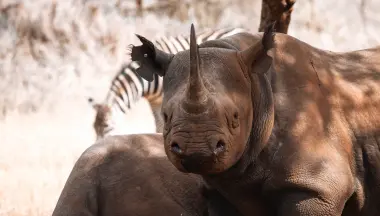
The Serengeti is one of the few places where black rhinos, Africa’s rarest large mammal, can be seen. Due to intense poaching at the beginning of the century, the rhino population decreased dramatically. According to the World Wildlife Fund, there were about 70,000 individuals in the 1960s, but by the early ’90s, only 2,400 rhinos were left in the wild. Thanks to conservation efforts, the population has been partially restored; today, about 5,000 rhinos live in Africa.
Important conservation work to protect rhinos is carried out by the Frankfurt Zoological Society in the Moru Kopjes area of the Serengeti. The colony is protected by park rangers, and the number of rhinos is gradually increasing. Recently, the Serengeti National Park administration allowed travellers to approach the colony for a special fee.
Annually, poachers set thousands of traps and snares in the Serengeti. To combat this, the Frankfurt Zoological Society founded the Serengeti De-Snaring program. Project staff and rangers patrol the park, collect traps, and assist ensnared animals. If poachers are spotted, rangers detain them and hand them over to the police.
The project is funded by donations from participating tour operators.
By Safari Vehicle
Most safaris in Northern Tanzania start in Arusha, the nearest major city to Kilimanjaro International Airport, on the way to the national parks. Travellers usually rest in Arusha after their flight, and the safari begins the next day.
Before reaching the Serengeti, visitors often explore smaller parks such as Tarangire, Lake Manyara, and Ngorongoro, which lie along the route from Arusha to the Serengeti. Travelling directly to the Serengeti without stops can be tiring; the drive takes 8–9 hours and might leave you with little opportunity to spot wildlife. Arriving in the Serengeti around 4–5 PM is common, but all visitors must be at their lodges by 6 PM, as staying in the savanna after dark is prohibited by park regulations.
For this reason, it is best to combine a Serengeti safari with visits to other parks in Northern Tanzania. Stopping at these parks along the way allows travellers to see the main safari attractions, making the Serengeti the highlight of the journey.
By Plane
If your itinerary focuses only on the Serengeti, flying is the most convenient option. Regular flights operate from Arusha and Kilimanjaro airports directly to the Serengeti. Charter flights can also be arranged at your preferred time, ensuring a private and faster journey of 1–2 hours. Upon arrival, a safari guide will meet you, and your exploration of this iconic park begins immediately.
The Serengeti has several airstrips: if your safari starts in the central region, you will land at Seronera; for the western area, at Grumeti; and the northern region is served by Kogatende and Lobo airstrips.
Travelling from Lake Victoria
Most Northern Tanzania safaris follow an east-to-west route: Lake Manyara, Tarangire, Ngorongoro, and finally the Serengeti. However, some travellers begin their journey from Lake Victoria in the west, visiting the safari parks afterwards. In this route, the Serengeti becomes the first park on the itinerary. Travelling by off-road vehicle from Mwanza on Lake Victoria’s shores to the Ndabaka Gate, the western entrance of the Serengeti, takes approximately 2–3 hours.
The Serengeti is the third-largest natonal park in Tanzania. Conventionally, its territory is divided into four parts: Seronera (central part), Western Corridor, southern, and northern. To comfortably explore the park, it's recommended to plan four to six days, two to three of which you will spend in Seronera, and the remaining in areas where the Great Migration is seasonally located. A trip will require four to six days in total.
This duration allows for a leisurely visit to all key locations and longer stays in the most interesting places. An additional day can be allocated for rest at the hotel, especially if you are traveling with children - safari trips and game viewing are very enriching but can be tiring.
If you simply want to see Tanzania's wildlife, there is no need to travel to remote areas of the Serengeti where the Great Migration is not present at the time. Such a trip would take a lot of time, and practically all animals of the Serengeti can be observed in the area of the Migration. A safari near the Migration will be much richer without the need for extensive travel across the park.
You can visit the Serengeti all year round. When planning your trip, it's important to consider the following seasonal differences:
Rainy seasons
Tanzania has two rainy seasons. The "short rains" occur from early November to early January, and the "long rains" - from late March to the end of May. Typically, rains start in the latter half of the day when travelers are already returning to their hotel. Some days may be completely dry, while others can have rain throughout the day. During this time, the savanna is covered with thick green grass, new waterholes appear, and animals can be found in various parts of the park. The dense vegetation can make it difficult to spot servals, caracals, dik-diks, and other small inhabitants.
Safari lodges offer seasonal discounts, making trips more affordable with fewer visitors in the park. Wet season safaris suit travellers preferring a secluded experience.
Christmas holiday season
The holiday season starts on December 20th in Tanzania. Despite the high likelihood of rain, hotel prices peak during this time, and reservations must be made six months in advance.
Dry seasons
From mid-January to the end of February and from mid-June to the start of October, Tanzania experiences dry seasons. During these periods, animals tend to stay closer to water sources. The culmination of the Great Migration occurs in July-August, with hundreds of thousands of wildebeests and zebras crossing the Grumeti and Mara rivers.
The dry seasons are traditionally popular among visitors to the Serengeti, and you should be prepared that dozens of other vehicles will be watching the animals alongside you.
Interseason
In March and June, Tanzania experiences a change of seasons. Relatively dry and clear weather prevails, and there are fewer visitors in the park compared to the dry seasons. This period combines the best of both seasons and is worth considering if your travel dates are flexible.
Since the 19th century, the Maasai tribes have been grazing their herds in the area now known as the Serengeti. They called this land "siringet," which translates to "endless plains." Over time, "siringet" transformed into "Serengeti." The name has stuck and is used to this day.
It's impossible to accurately count the number of animals in the Serengeti ecosystem: the park borders other conservation zones, and savanna residents freely leave and return to the Serengeti.
Here are some approximate numbers:
Elephants: according to the Tanzania Wildlife Research Institute (TAWIRI), the population in 2020 was about 7,000 individuals, up by a thousand from 2014.
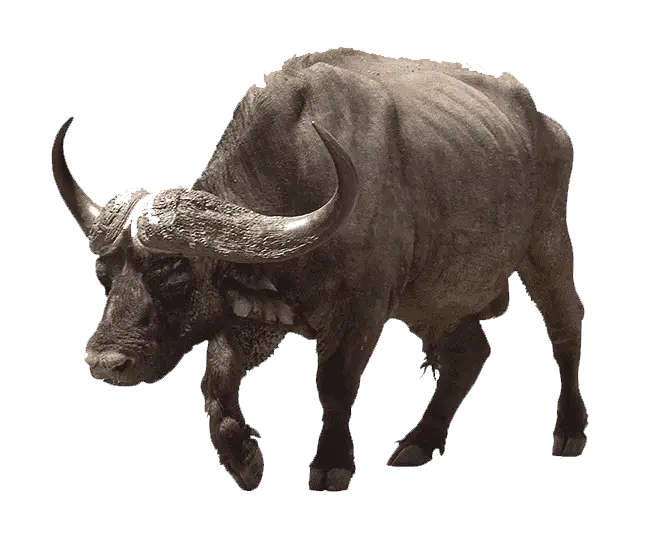
Buffaloes: TAWIRI noted a population of 60,000 in 2020, an increase of 10,000 from 2014.
Lions: Britannica information indicates about three thousand individuals.
Great Migration animals: A research team led by Professor Alexandra Swanson from the University of Minnesota reported that the population of wildebeests, other antelopes, and zebras was 1.6 million in 2015.
Tanzania Bucket List team has visited nearly all national parks in Southeast Africa. We can confidently say that the safari experience in the Serengeti is truly unmatched due to its vast number of animals.
The Great Migration of animals occurs year-round. The most interesting moments of the migration — the crossing of the Mara, Mbalageti, and Grumeti rivers — take place from June to August. At this time, ungulates gather into huge herds and cross the rivers teeming with crocodiles. Such a concentration of large mammals is unparalleled anywhere else on the planet.
We are always here to help.