
Kilimanjaro towers at 5,895 m/19,341 ft above sea level. It is the highest free-standing mountain in the world and the “Roof of Africa”.
Mt Kilimanjaro is one of the most popular travel attractions on the continent. It’s an incredibly beautiful trek where climbers don’t require technical climbing skills. To reach the summit, one needs only a healthy average fitness level.
We created this guide to help travelers prepare for their once-in-a-lifetime Kilimanjaro adventure. Drawing on 11 years of experience and over 20,000 successful climbs, it covers everything you need to know: summit success rates, route comparisons, costs, training, acclimatization, insurance, arrival in Tanzania, safety, and more — all based on insights from a decade on the mountain.
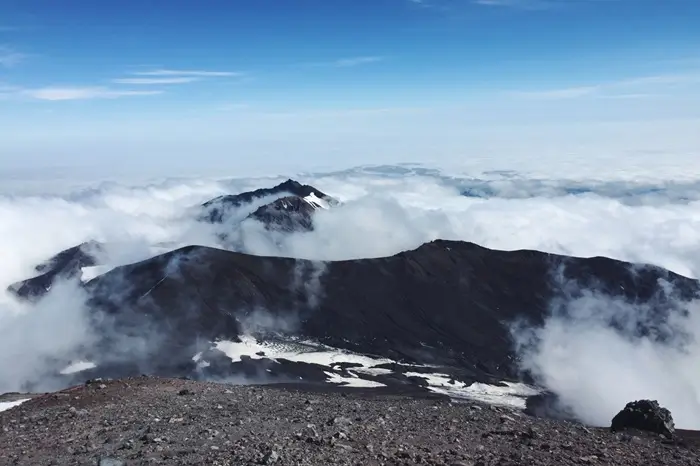
Yes, Kilimanjaro is accessible to beginners with no trekking experience. The key factor isn’t hiking skills but proper acclimatization, which is best achieved on a 7–8-day route. To improve your chances of reaching the summit, choose a reliable outfitter and follow your guides’ safety instructions.
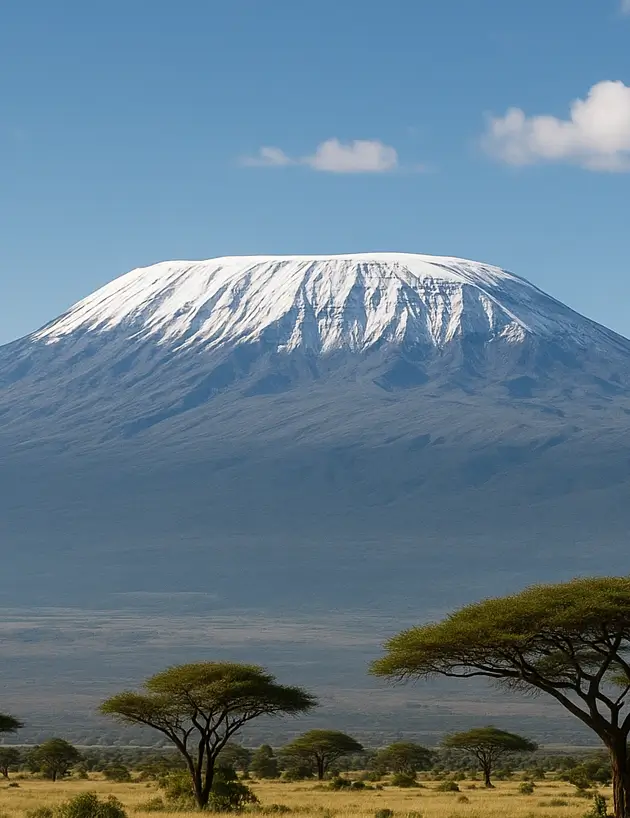
Late December to early March and mid-June to late October are the best times for a Kilimanjaro climb. This is when the Kilimanjaro weather is nearly ideal. Although other months have rain, it doesn’t mean there are constant heavy showers. Typically, rains begin in the latter half of the day. This allows trekkers a significant window of clear weather every day during the rainy season. There are also days without any rain.
As of 2025, a comfortable and safe 7-day group climb costs about $2900. A shorter 5-6-day adventure or a season-discounted trip comes at $2300-2500. This amount includes the park entrance fees, which make up about 35% of the total trip cost. Any trekking companies offering below this amount should warrant caution.
Low prices always correlate with the mistreatment of porters. The crews of budget operators are often underpaid and poorly fed, putting their and hikers’ safety at risk.
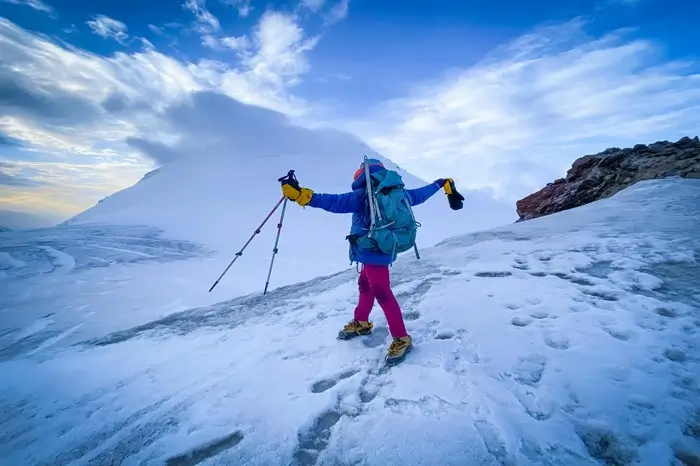
A moderate fitness level is key to a comfortable and successful Kilimanjaro climb. This means you should be able to run 5 km (3 mi) without difficulty and hike 10 km (6+ mi) in a day. The best ways to train include swimming, cycling, running, and hiking.
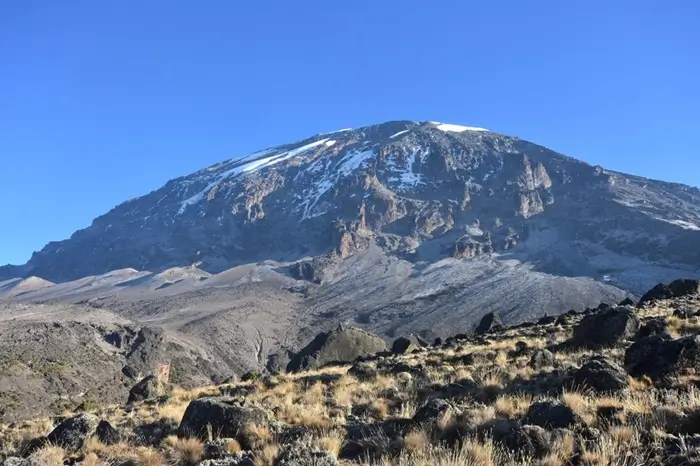
The biggest risk on Kilimanjaro is acute mountain sickness caused by poor acclimatization. In severe cases, it can lead to cerebral or pulmonary edema, both life-threatening conditions that cause about ten deaths per year on the mountain.
Fortunately, AMS is easy to prevent. Choose a seven-day or longer itinerary, stay hydrated, and walk slowly to allow proper altitude adaptation. Guide expertise is crucial — choose an operator whose Kilimanjaro guides are certified Wilderness First Responders, trained to handle emergencies and evacuations.
A Kilimanjaro trek takes you through five climatic zones, from tropical forests to Arctic conditions. Temperatures range from -15°C (5°F) at the summit at night to +20°C (68°F) at the base. The weather is unpredictable — sunshine can quickly turn to rain or wind and back again. For a safe and comfortable trek, you’ll need proper clothing, footwear, sleeping bag, trekking poles, and other essentials.
The easiest way to reach Mt Kilimanjaro is by flying into Kilimanjaro International Airport (JRO) in Tanzania. From there, it's a 50-minute drive to Moshi where most climbs begin. Major airlines such as Turkish Airlines, Qatar Airways, KLM, Ethiopian Airlines, and Air France offer flights to JRO.
Alternatively, you can fly into Dar es Salaam and take a local flight to Kilimanjaro, though this may come with extra costs for domestic flights and baggage fees. Another budget-friendly option is to fly into Nairobi, Kenya, and take a bus to Moshi, but keep in mind the additional costs of a Kenyan transit visa ($21) and the bus transfer ($45), with a total journey time of about seven hours.
Tanzania has two rainy seasons and two dry seasons. The short rainy season begins in early November and lasts until late December. It is followed by the dry season, which lasts until mid-March. Then the season of long rains begins, ending in mid-June.
You should consider the northern slopes to climb Kilimanjaro during the rainy season. According to the data we received from the Tanzania Meteorological Authority, this part of the mountain receives five times less rainfall. Good Kilimanjaro routes to choose from are Rongai, Northern Circuit, and Marangu.
Climbing Kilimanjaro takes at least 5 days, but most expeditions last between 6 and 8 days, as a longer itinerary significantly improves acclimatization and increases the chances of reaching the summit. Extended routes, including options with an overnight stay in the crater, can last 10 days or more. Choosing a route with a well-designed acclimatization program helps achieve a 98.5% Kilimanjaro summit success rate.

We are always here to help.
We are always here to help.