Home > Tanzania Safari > National Parks > Ngorongoro Crater

Ngorongoro Conservation Area

UNESCO World Heritage Site

Ngorongoro Crater – Place with the highest concentration of animals in Africa

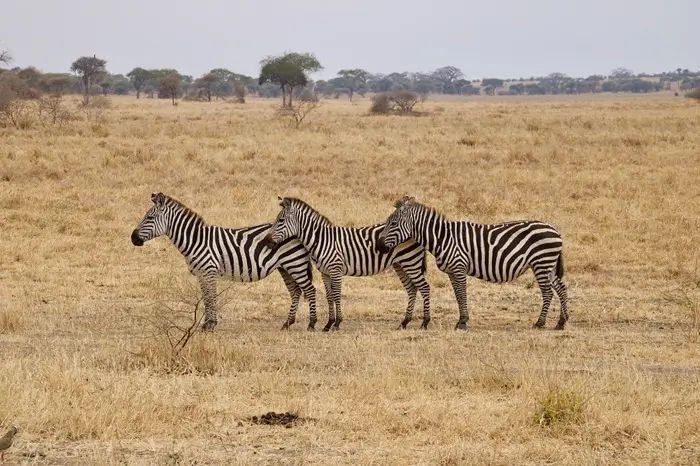
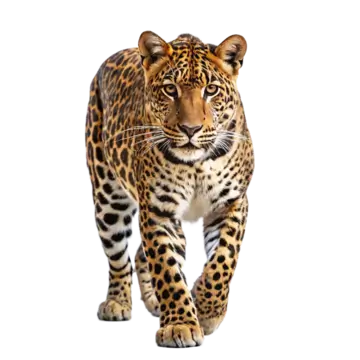
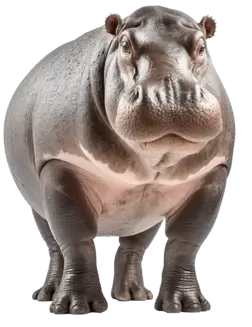
According to UNESCO estimates, the Ngorongoro Conservation Area is home to approximately 25,000 large mammals. Here, you can see the Big Five: elephants, rhinos, lions, leopards, and buffalo, along with other famous African animals such as hippos, zebras, antelopes, servals, and warthogs.

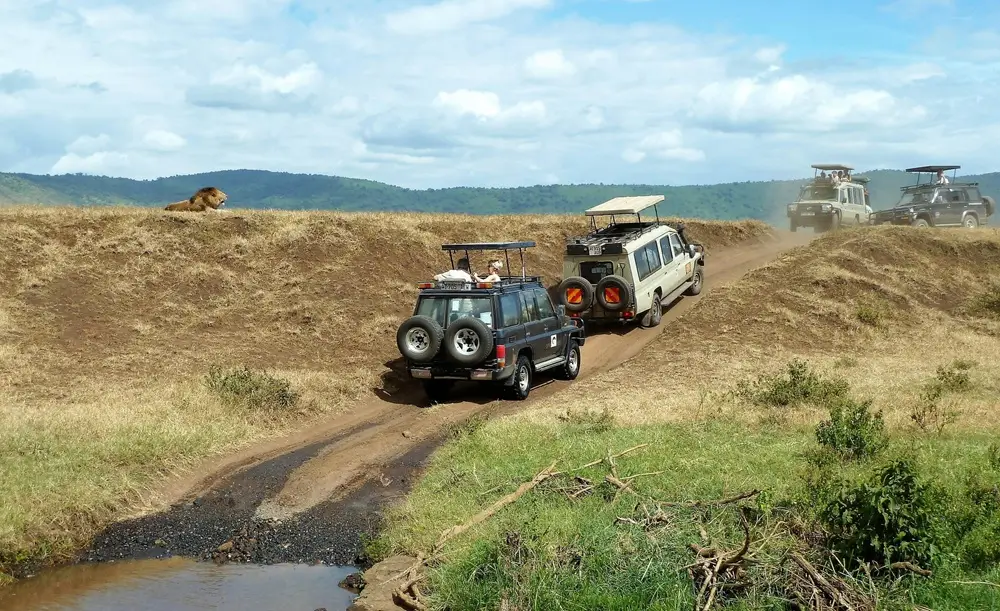
Most of these animals live in a compact area of 260 km² (100 mi²). On a safari drive, you will encounter new wildlife every 10-15 minutes of travel. This is one of the reasons why Ngorongoro is listed as a UNESCO World Heritage Site.

Ngorongoro is also one of the most interesting destinations in Tanzania for birders. Over 600 species of birds can be spotted here!

Location of Serengeti National Park

Tarangire to Ndutu & Serengeti – Wildebeest Calving & Big Game

The Ngorongoro Conservation Area is located in northern Tanzania. It borders Serengeti to the west and Lake Manyara to the south. The city of Arusha, the main tourist hub of Tanzania, is 190 km (118 mi) away; this is about a 4-hour drive by car.

Kilimanjaro International Airport (JRO) through which most travelers enter Tanzania, is 250 km (155 mi) away.

Travelers usually visit Tarangire National Park before heading to Ngorongoro. Tarangire is closer to Arusha, making it convenient to visit on the way to Ngorongoro. After a safari in Ngorongoro, you can head to the famous Serengeti National Park. The drive takes about 3 hours, allowing you to reach your hotel by evening to rest before starting your safari the next day.

Tarangire to Ndutu & Serengeti – Wildebeest Calving & Big Game
What is so special about the Ngorongoro Crater?

Black Rhinos

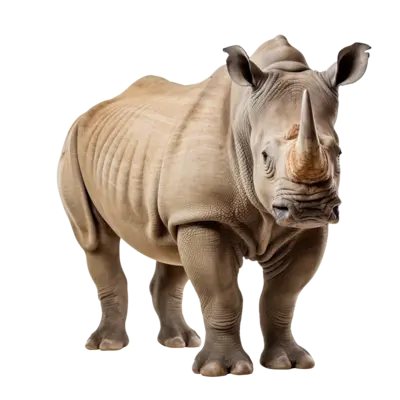
Ngorongoro is one of the few wildlife reserves in Africa where the black rhinoceros population is successfully recovering. Today, there are about 30 of them, all residing in the crater. You can observe them on a safari with Tanzania Bucket List. Unlike other animals, rhinos rarely come close to safari roads. For this reason, each safari vehicle is equipped with binoculars.

What to see in the Ngorongoro Conservation Area?

Besides the main attraction—the crater with its wildlife—the Ngorongoro Conservation Area has several other interesting locations. We recommend setting aside an extra day to visit them.

Olduvai Gorge and the Leakey’s camp

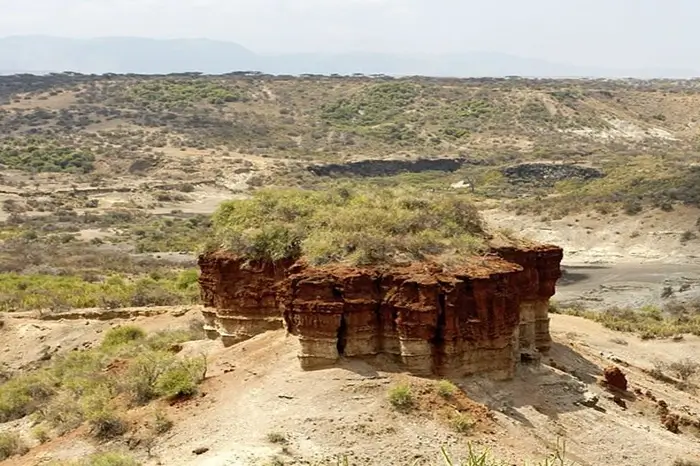
Olduvai Gorge – is an excavation site where renowned anthropologists Mary and Louis Leakey found remains of ancient humans dating back 1.5-2 million years. Today, there is the Olduvai Gorge Museum displaying exact replicas of ancient tools and other artifacts found during the excavations. There is also a cafe where travelers can rest and enjoy the view of Olduvai Gorge.

Empakai Crater

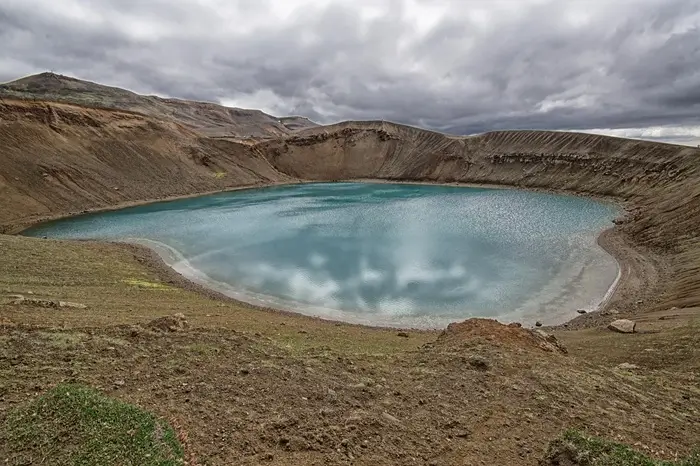
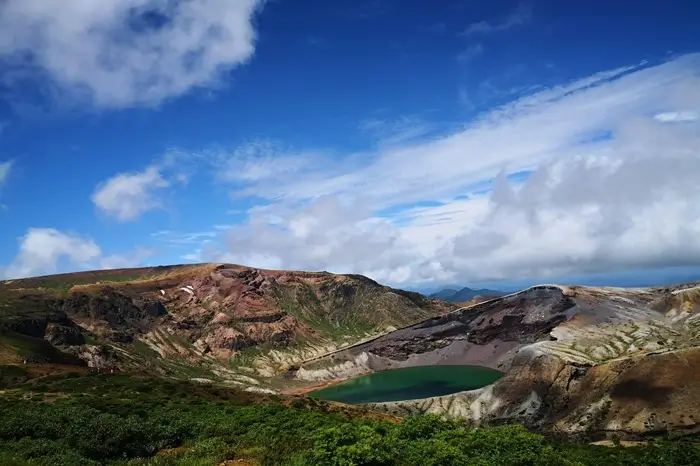
Another ancient volcanic crater, Empakai, is located north of the ‘main’ Ngorongoro Crater. This is one of the few places in the reserve where hiking is allowed. The rules require all visitors to be accompanied by an armed ranger. In the middle of the crater is the namesake Lake Empakai, where flamingos can be seen from November to May.

Olmoti Crater

Olmoti Crater

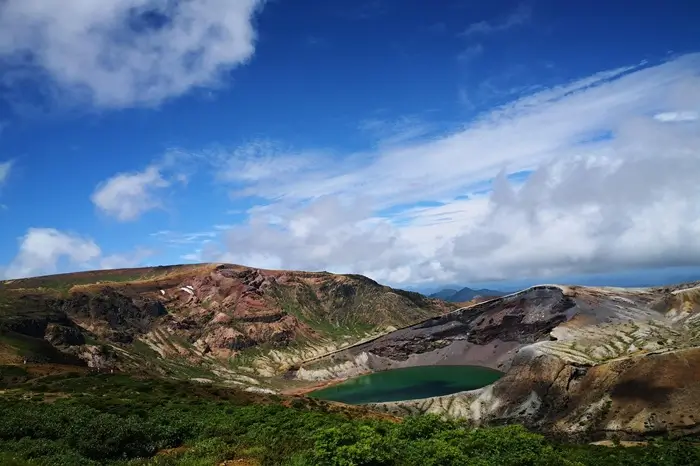
Olmoti is another popular hiking destination in the Ngorongoro Highlands. Even in the dry season, there are rarely other visitors. This hike is perfect for travelers who want to enjoy Tanzania’s nature away from the numerous safari vehicles.

Nasera Rock

Nasera Rock

Nasera Rock

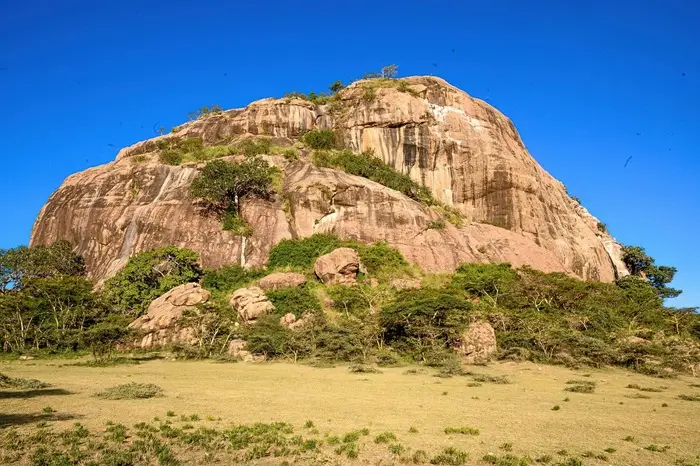
Alongside Olduvai Gorge, Nasera Rock is an important archaeological site. The rock stands about 50 meters (164 ft) tall, towering over the savanna like a 16-story building. Primitive stone tools such as axes, blades, and hammers used by early humans around 300,000 years ago were found here. Based on these findings, scientists reconstruct the process of human evolutionary development.

Animals in the Ngorongoro Crater

On a Ngorongoro Crater safari, you can see the majority of the famous animals of Tanzania. Most of them do not leave the crater’s confines, and thousands of mammals inhabit the small area simultaneously. You can see practically all the main savanna inhabitants in a day.

The estimated number of large mammals in the Ngorongoro Crater in 2020 was derived from research conducted by a team of scientists that included Patricia D. Moehlman and Joseph O. Ogutu. Their study, titled “Long-term historical and projected herbivore population dynamics in Ngorongoro Crater, Tanzania,” provides detailed population estimates for the crater’s wildlife…

  • Elephants – 300
  • Lions – 55
  • Black Rhinos – >30
  • Spotted Hyenas – 6000
  • Buffalo – 4000
  • Zebras – 4000
  • Wildebeest – 10,000
  • Elands – > 70
  • Thompson’s Gazelles – 1500

The count does not include small mammals such as servals, caracals, warthogs, and foxes. The team of researchers estimates the total number of mammals in Ngorongoro to be around 25,000. This number is not constant, as animals periodically move in and out of the crater.

Lion
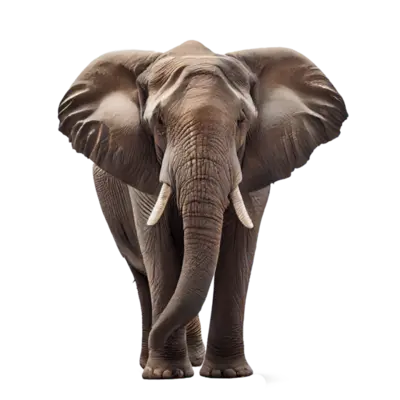
elephant
leopard
Hippo

How many days do you need for Ngorongoro Crater safari?

To explore the main attraction of Ngorongoro—the crater with its wildlife—one day is sufficient. In the evening, you will arrive at a hotel on the crater rim to rest. The safari starts early in the morning and ends around 2:00-3:00 PM. By this time, our safari guide will take you to a lodge.

How much does a safari in Ngorongoro cost?

Visiting the Ngorongoro Conservation Area is included in most safari tour packages in northern Tanzania. The cost of such a safari depends on several factors: the season, the choice of hotels, and the number of travelers.

On average, a safari in Ngorongoro costs $500-900 per person per day. Luxury travel options with stays in high-end hotels are also available, costing several thousand dollars per day.

History of Ngorongoro Crater

The Ngorongoro Crater was formed by a powerful volcanic eruption 2-3 million years ago. Over thousands of years, forests and savannas grew on the rocky volcanic soil, creating favorable conditions for the life of animals and early humans. In 1978, Professor Leakey discovered fossilized footprints in the Laetoli area, indicating that upright-walking human ancestors inhabited Ngorongoro 3.7 million years ago.

History of Ngorongoro Crater

There are hardly any reliable records about the pre-colonial history of Ngorongoro. It is known that in the second half of the eighteenth century, Maasai tribes arrived in the crater, displacing the Datooga and Hadza peoples thus shifting the local human-environment dynamics. Before the arrival of Europeans, the Maasai used to regularly bring their herds into the crater.

The situation changed when Tanganyika became part of the German Empire. The Ngorongoro area was transferred to landowner Adolf Siedentopf. Starting in 1880, he gradually restricted access to Ngorongoro for local tribes. Siedentopf established large farms in the future Conservation Area. He was not interested in the crater’s value as a natural monument; Ngorongoro was seen only as arable land for the growing colony. Many farm buildings were constructed, and their foundations remain to this day.

After World War I, Tanganyika became a British mandate. In 1928, Governor Donald Cameron approved the creation of a commission that marked the future boundaries of the Conservation Area. In 1951, Ngorongoro was declared part of Serengeti National Park, and all human activities were banned. An exception was made for the Maasai tribes, who were allowed to enter with their herds.

In 1959, Ngorongoro was separated from the Serengeti administration into an independent Conservation Area with a status similar to that of a national park, with strict rules defined by the Ngorongoro Conservation Area Ordinance. In 1979, after Tanzania gained independence, UNESCO designated Ngorongoro as a World Heritage Site. This means the Conservation Area’s biodiversity is of immense value to all humanity, and Tanzania is obliged to ensure Ngorongoro’s safety and preservation. As a result, from the 1980s, attempts to relocate the Maasai from the crater’s territory resumed. Compensation was paid to tribes for voluntarily leaving the area.

The Grzimeks and Ngorongoro

A significant contribution to the development of Ngorongoro was made by wildlife conservationists Bernhard and Michael Grzimek. Although their work is mainly associated with Serengeti, the Grzimeks spent much time in Ngorongoro, collecting information about the crater’s inhabitants.

In 1959, at the age of 24, Michael Grzimek tragically died when his light aircraft collided with a vulture, causing him to lose control and crash. He was buried on the same day on the Ngorongoro Crater rim. Twenty-eight years later, his father was buried next to him, and the National Parks Authority installed a memorial plaque for the Grzimeks. This site can be visited during a safari.

Ngorongoro Crater today

Today, Ngorongoro holds a special status within Tanzania’s system of national parks and wildlife reserves. It is managed by a dedicated authority—the Ngorongoro Conservation Area Authority. All human activities, except tourism, are prohibited. On the crater rim, you will find many luxurious lodges that offer a very high level of service and comfort. A good example is the andBeyond Ngorongoro Crater Lodge.

FAQs - Ngorongoro Conservation Area
In which country is Ngorongoro?

The Ngorongoro Crater and Ngorongoro Conservation Area are located within Tanzania, East Africa. Ngorongoro is situated in Northern Tanzania close to iconic national parks such as Serengeti and Tarangire, making it the perfect destination for wildlife safaris.

What does the name Ngorongoro mean?

There are two theories explaining the origin of the name "Ngorongoro." The first suggests that the crater was named after the Maasai expression "El-Nkoronkorro," meaning "gift of life." According to legend, this is how the Maasai referred to the lush grasslands of Ngorongoro. Before it became a Conservation Area, they practiced traditional livestock grazing by bringing their herds into the crater. Unfortunately, this practice can damage the environment, so it was banned to aid biodiversity conservation.

The second theory offers a more practical explanation: the Maasai hang bells on their cattle, which make a "nkor-nkor" sound.

Can you film with a drone in Ngorongoro?

Filming with drones in Ngorongoro is prohibited. Permission for drone filming is granted only for projects that benefit the Conservation Area, typically given to wildlife documentary crews and, occasionally, large tourism media projects. Travelers planning to film for personal archives or bloggers will not receive such permission.

What should you bring on a safari in Ngorongoro?

Evenings and mornings are cool at lodges on the crater rim. To make your safari more comfortable, be sure to bring a fleece jacket and a light windbreaker.

For game drives, the classic safari outfit is recommended: pants or shorts plus a khaki or olive shirt. Avoid white clothing—it gets dirty quickly and will be covered in dust. Any footwear is fine, but light sneakers will be more comfortable than sandals. Trekking shoes are necessary if you plan to hike in Olmoti or Empakai.

Is Ngorongoro Crater one of the Seven Wonders of the world?

The Ngorongoro Crater is not one of the official Seven Wonders of the World. However, it is often referred to as one of the "Seven Natural Wonders of Africa" due to its unique geological features, abundant wildlife, and ecological significance. Its recognition by the UNESCO World Heritage Centre as a World Heritage Site also underscores its global importance.

Planning a Trip to Tanzania?

We are always here to help.

I Prefer